

Recycling Tips From Biopak
Paper
Paper and cardboard can be recycled and used again in other paper products. The more we recycle paper and cardboard, the less we need to use natural resources like fibre from trees to manufacture new products. It also uses less energy and water in manufacturing. Paper contaminated with grease or oil from food cannot be recycled.
Organic Waste
Some local councils collect organic waste from your home and turn it into compost. Composting helps keep organic waste out of landfill where it rots and generates methane, a greenhouse gas that is particularly damaging to the environment.
SO REMEMBER, IF IT GROWS, THEN IT GOES IN YOUR GREEN ORGANICS BIN
Plastic & Metal
Always put items into your recycling bin loose, not in a plastic bag. Everything inside a plastic bag will be sent to landfill. Plastic bag can also tangle up the machinery used to sort the recycling materials
Flatten boxes but don't bundle items together
Roll aluminium foil into a ball and place in a recycling bin, even if it has food stuck on it
Black plastic items don't gat recycled as they are not able to be identified by automatic sorting equipment used at most recycling facilities
At most material recovery facilities, any plastic item less than 5cm in diameter will be screened out and diverted to landfill.
Blog posts
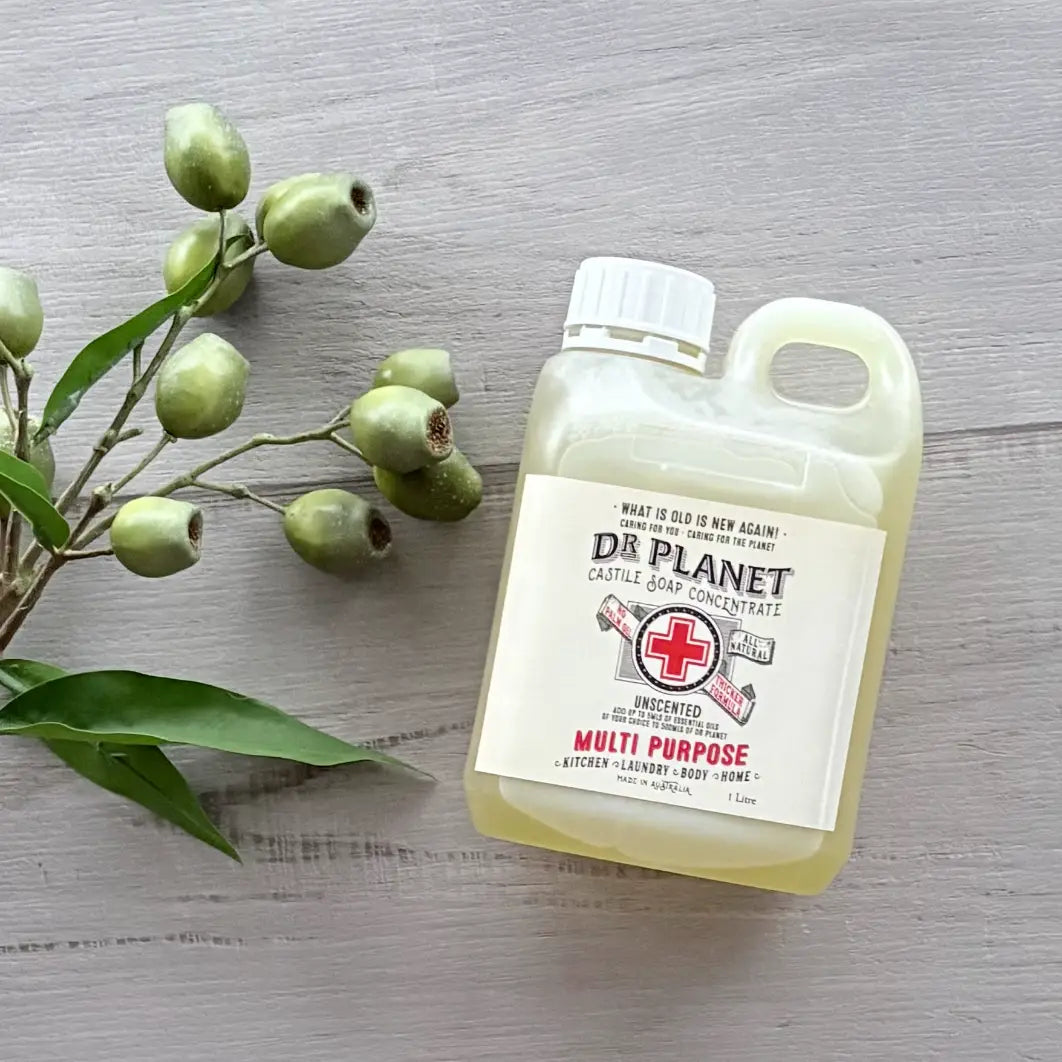
The Natural Cleaning Power of Castile Soap
Discover two simple ways to use Castile Liquid Soap around your home. From washing dishes to cleaning floors, these easy recipes can help simplify your everyday cleaning routine.
How to Package Biscuits to Sell Online
Learn how to package biscuits for online sales with the right bags, boxes and postage tips. Practical advice from Centaur Packaging, Australia.
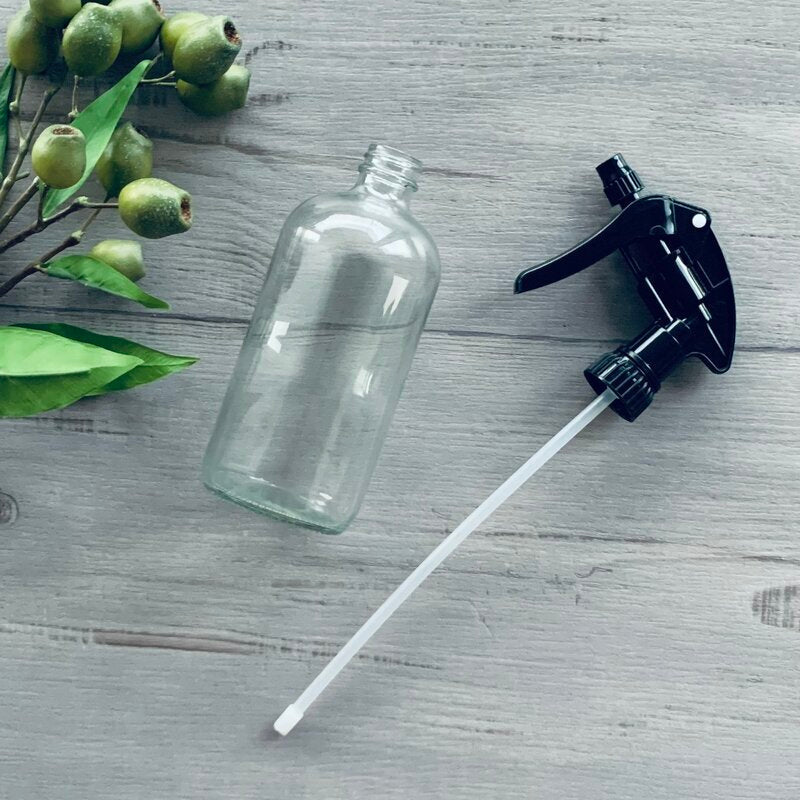
Looking for a Spray Bottle That Doesn't Leak?
Is your spray bottle leaking, clogging or not spraying as it should? The bottle isn't always the problem! From choosing the right material and sprayer to checking your wick and testing your ingredients, discover our top tips for choosing spray bottles that perform reliably.